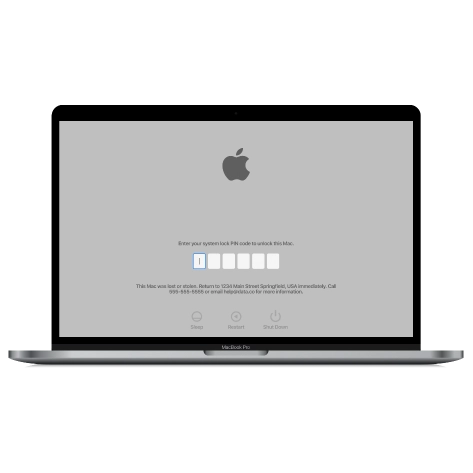
Hardware-Level SecureROM Exploit
What Is the USBLiter8 Exploit & How It Powers Hello Screen Bypass
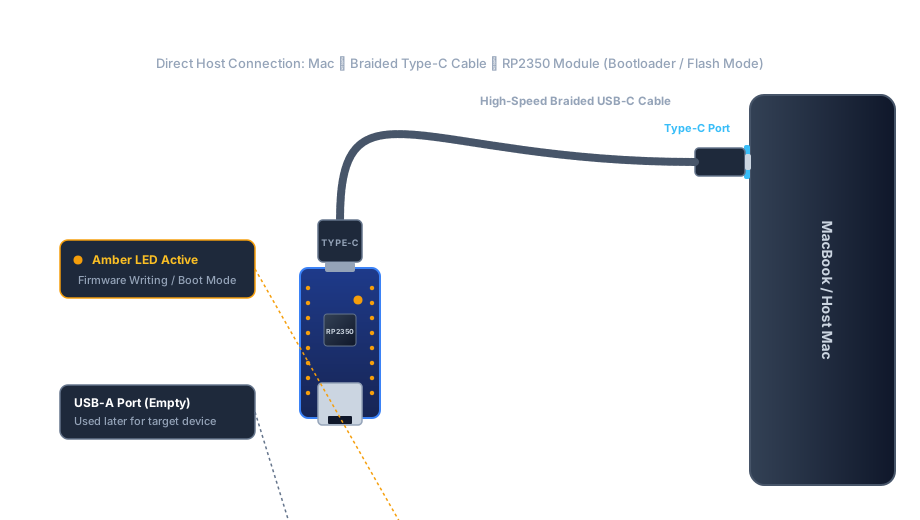
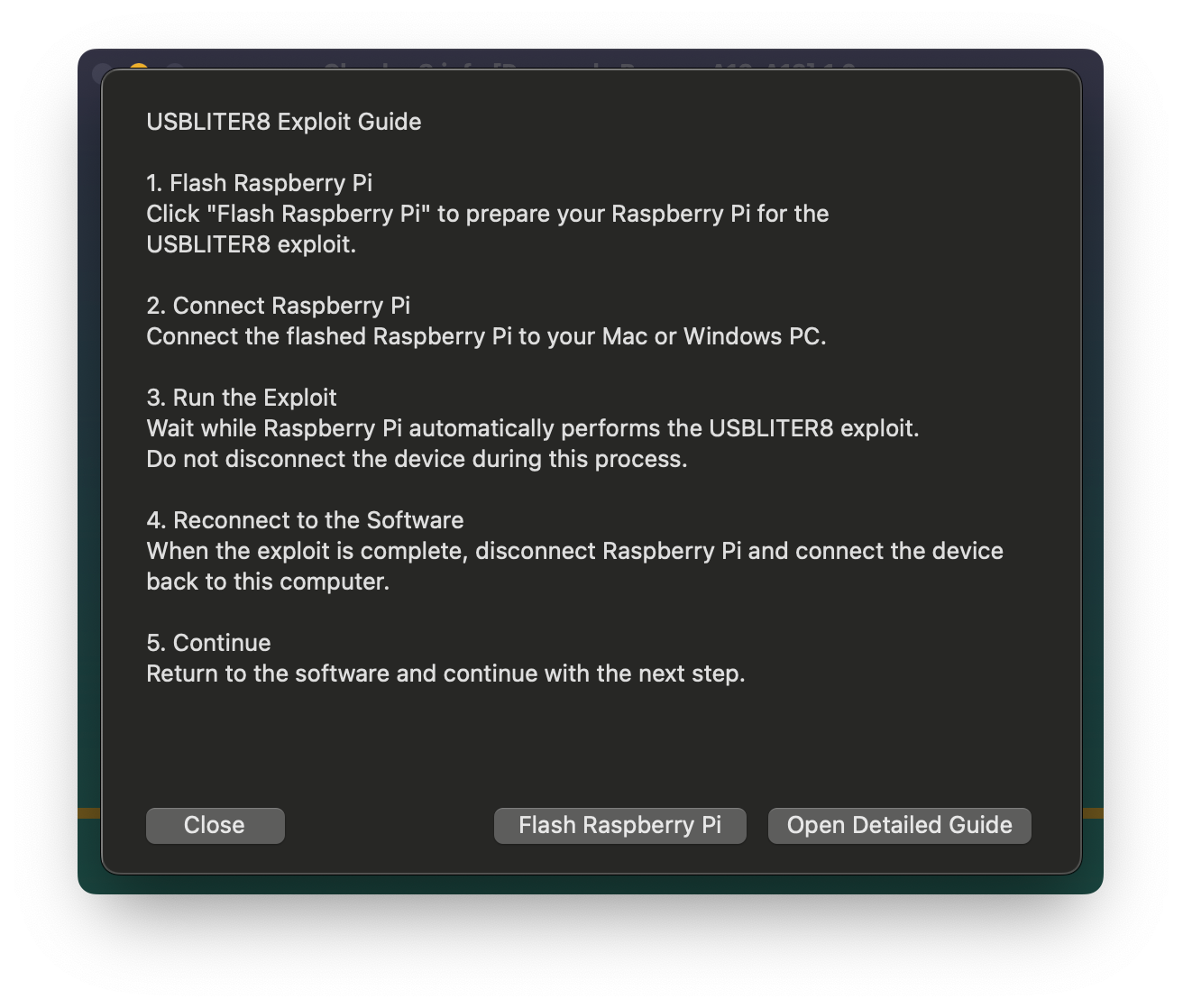
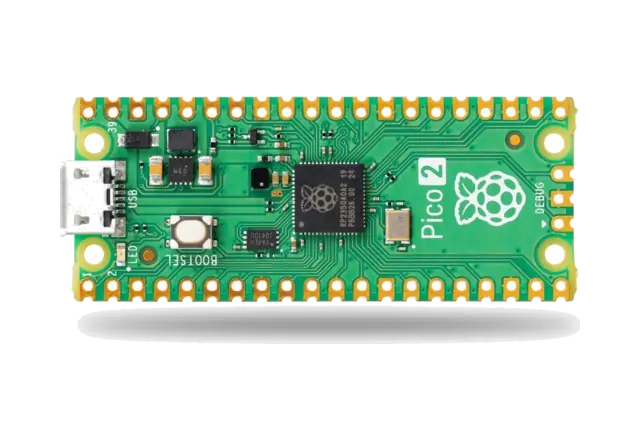
USBLiter8 is a hardware-level SecureROM (BootROM) exploit designed specifically for Apple devices powered by A12 and A13 Bionic chipsets. By leveraging low-level USB communication via an external Raspberry Pi Pico (RP2350-based) microcontroller, it delivers precise timing pulses to trigger the hardware vulnerability before iOS and Apple's cryptographically signed secure boot chain initialize.
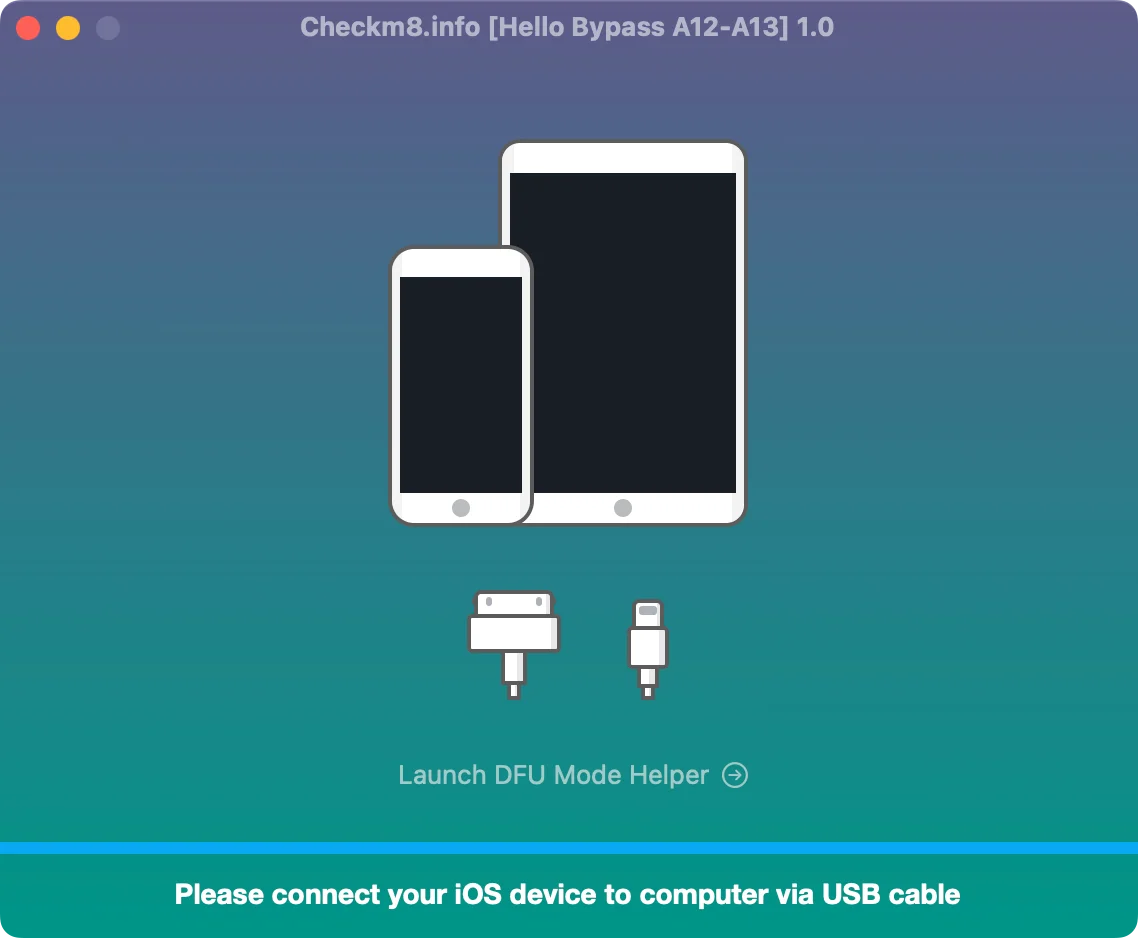
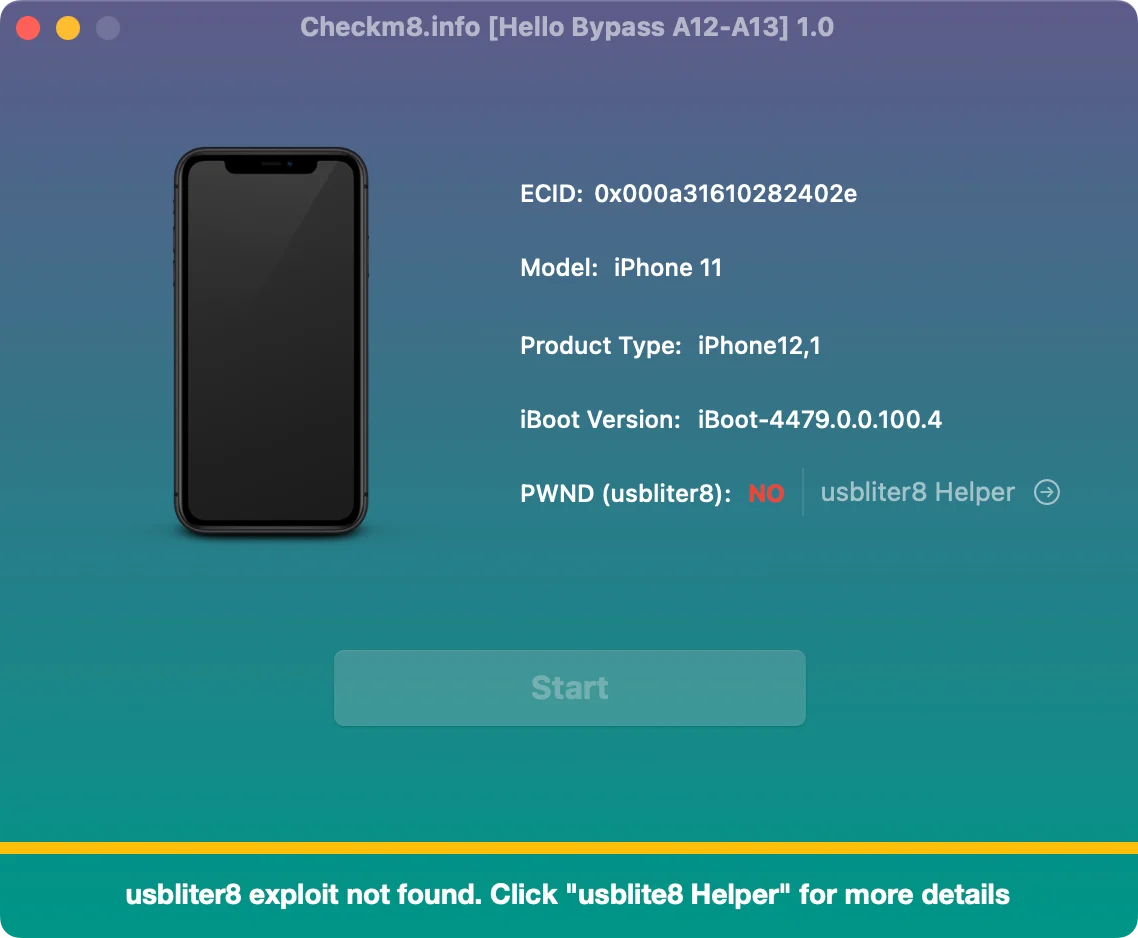
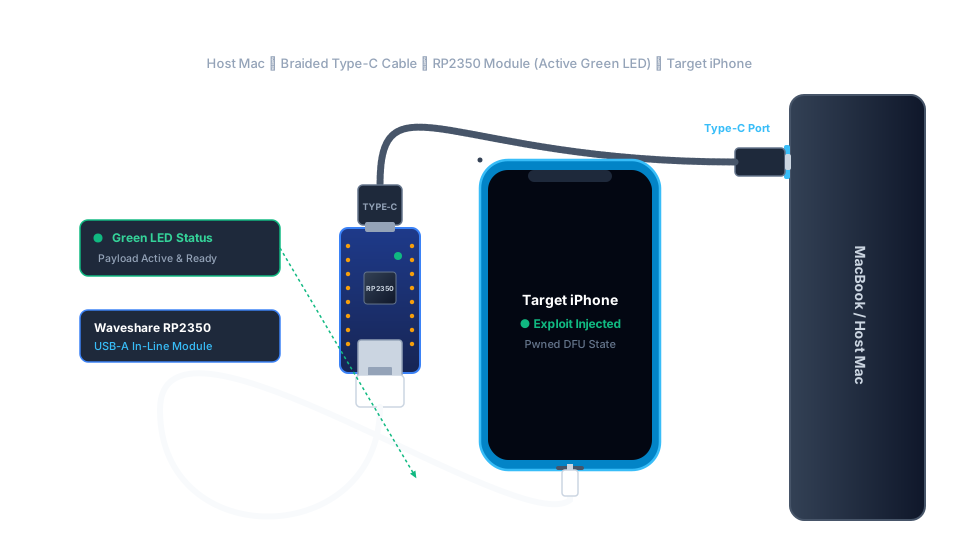
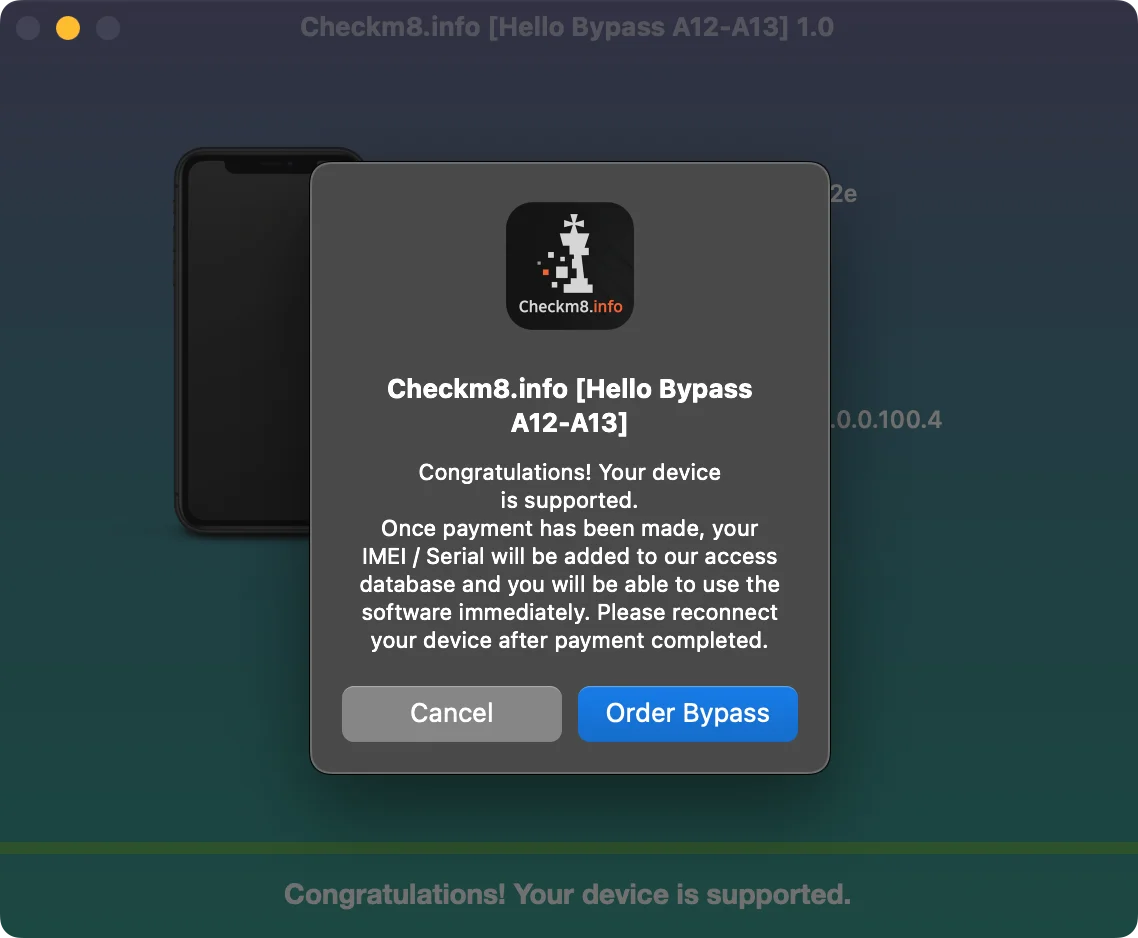
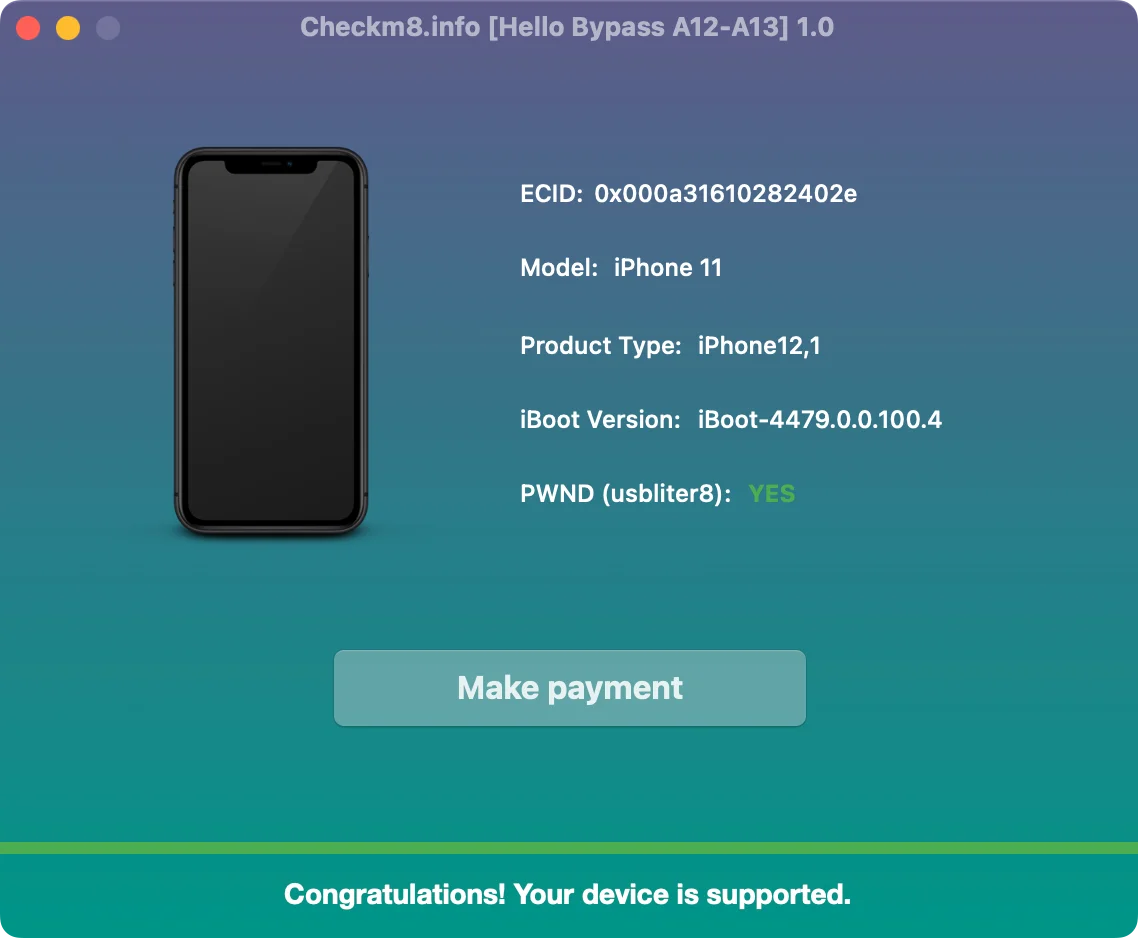
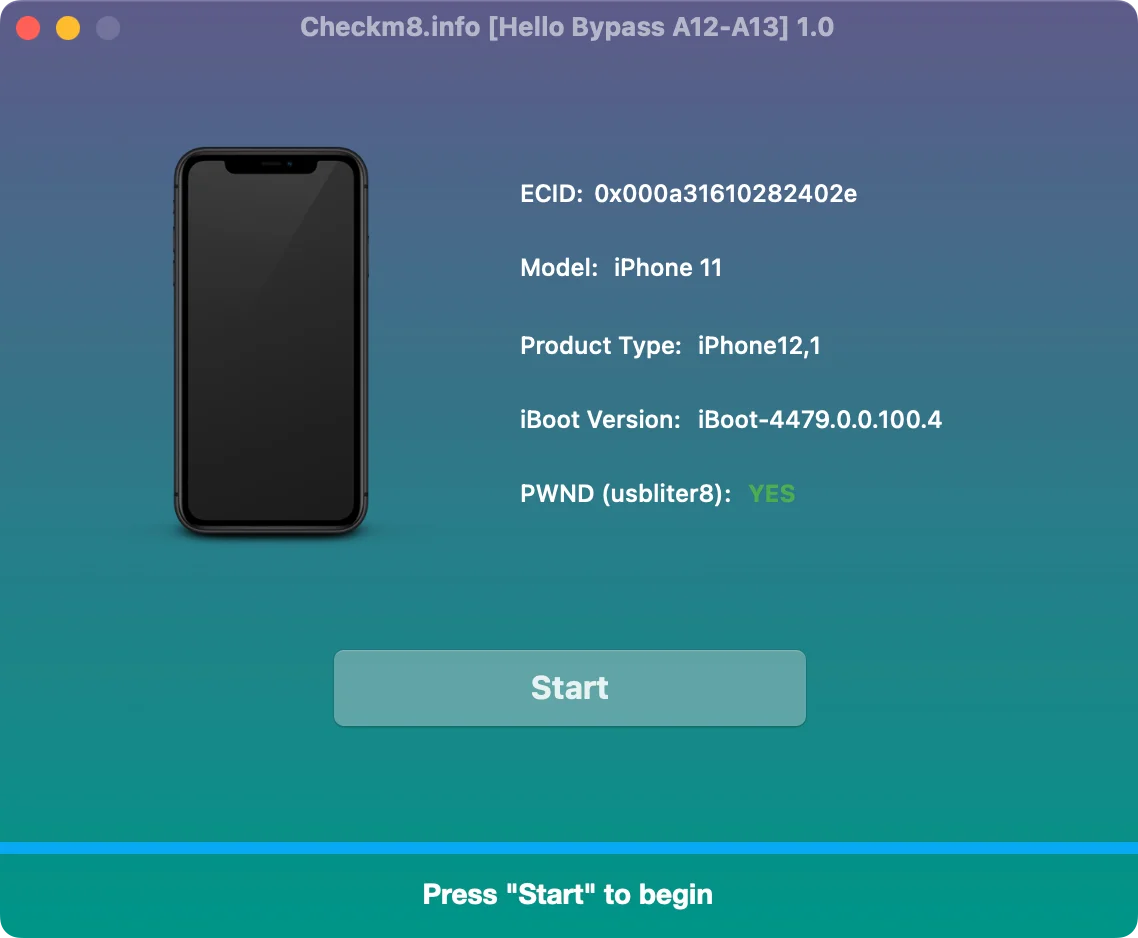
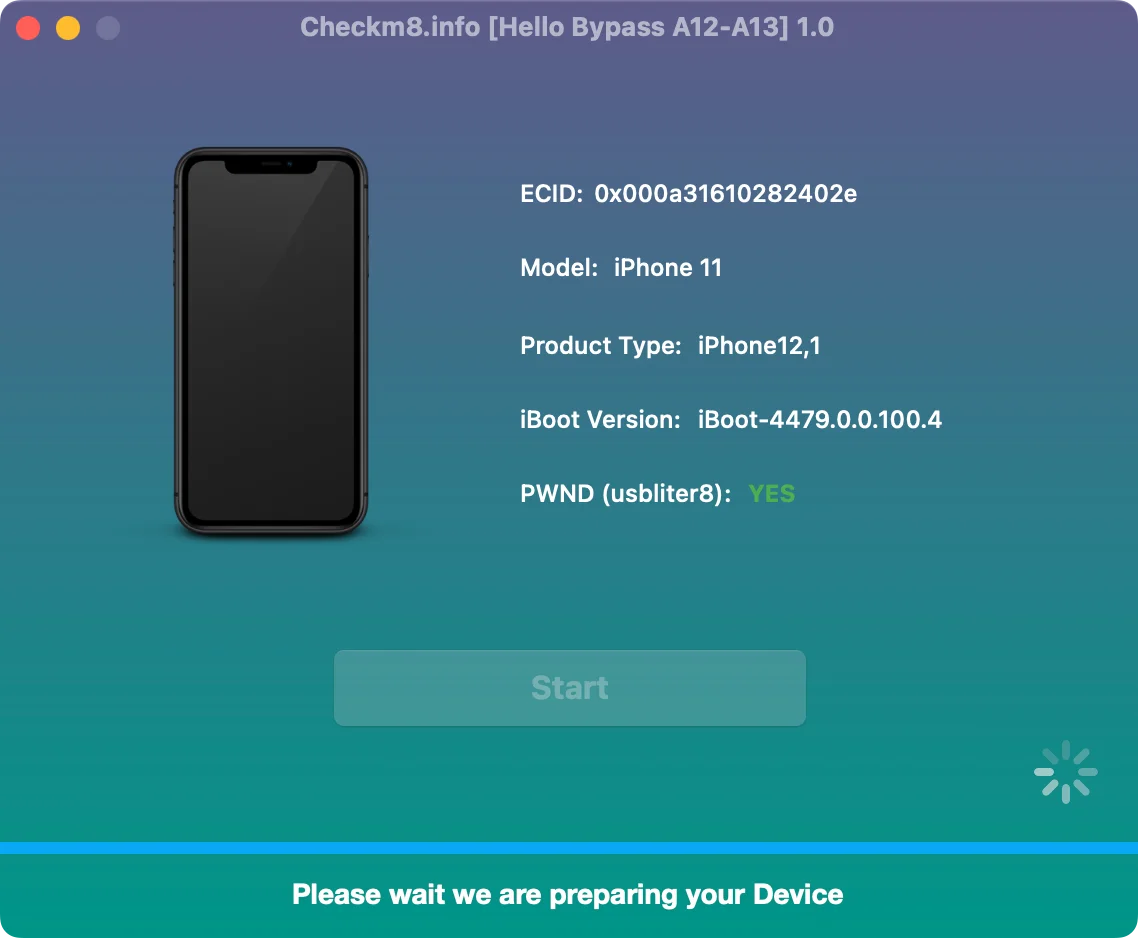
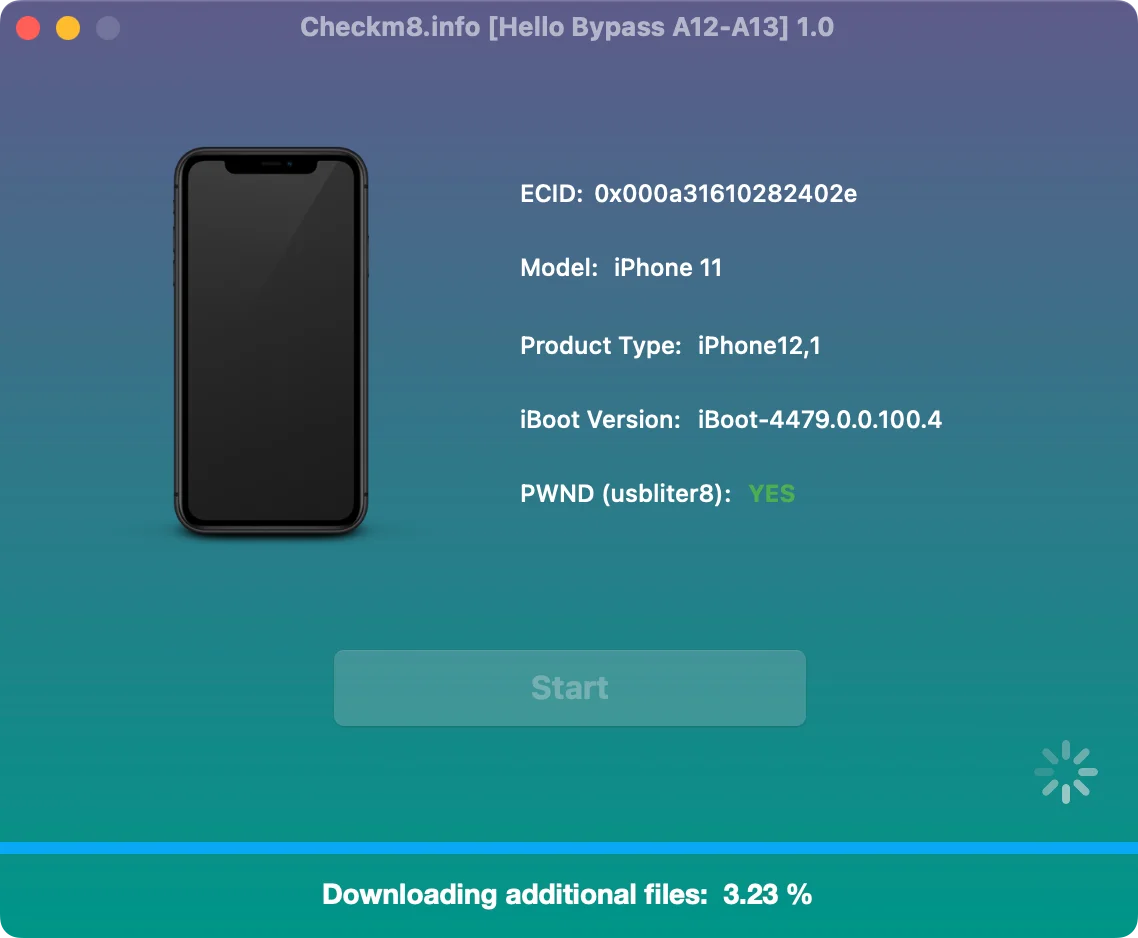
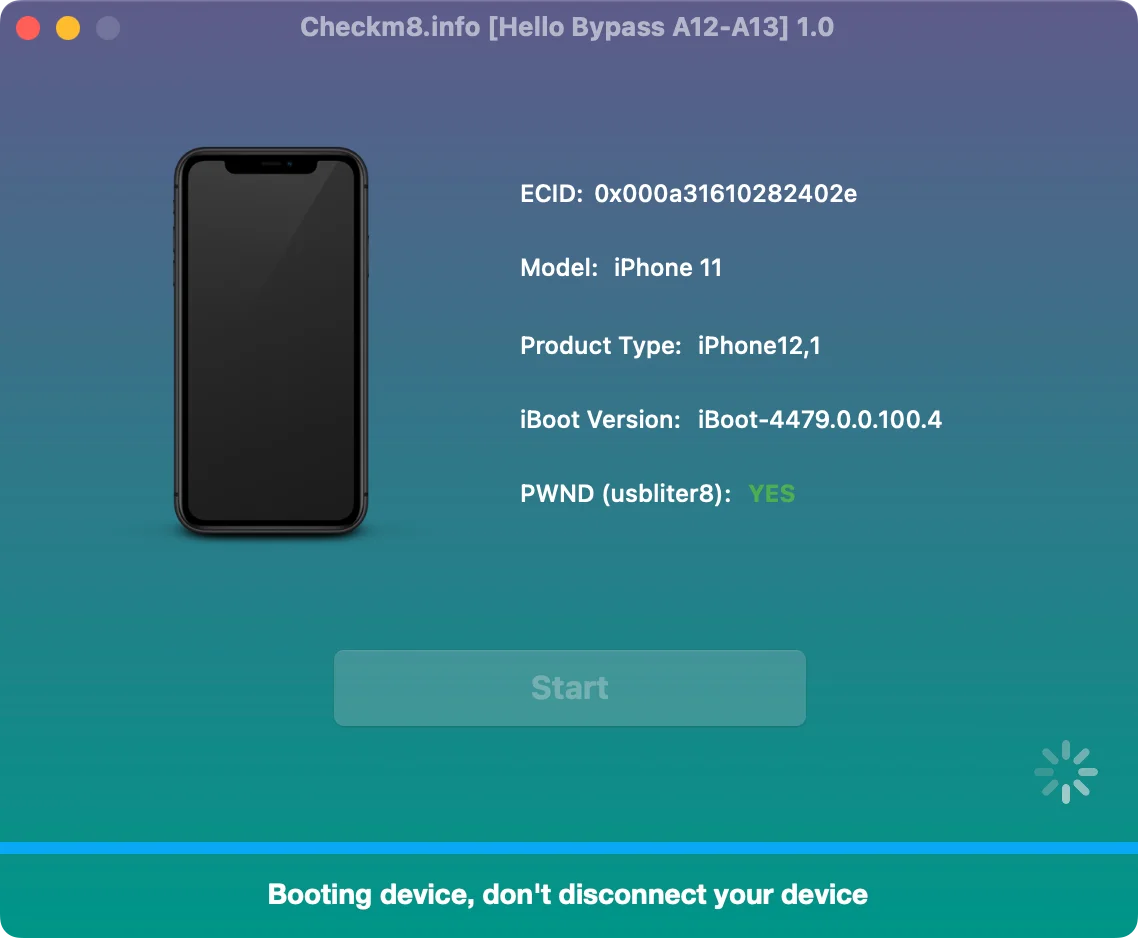
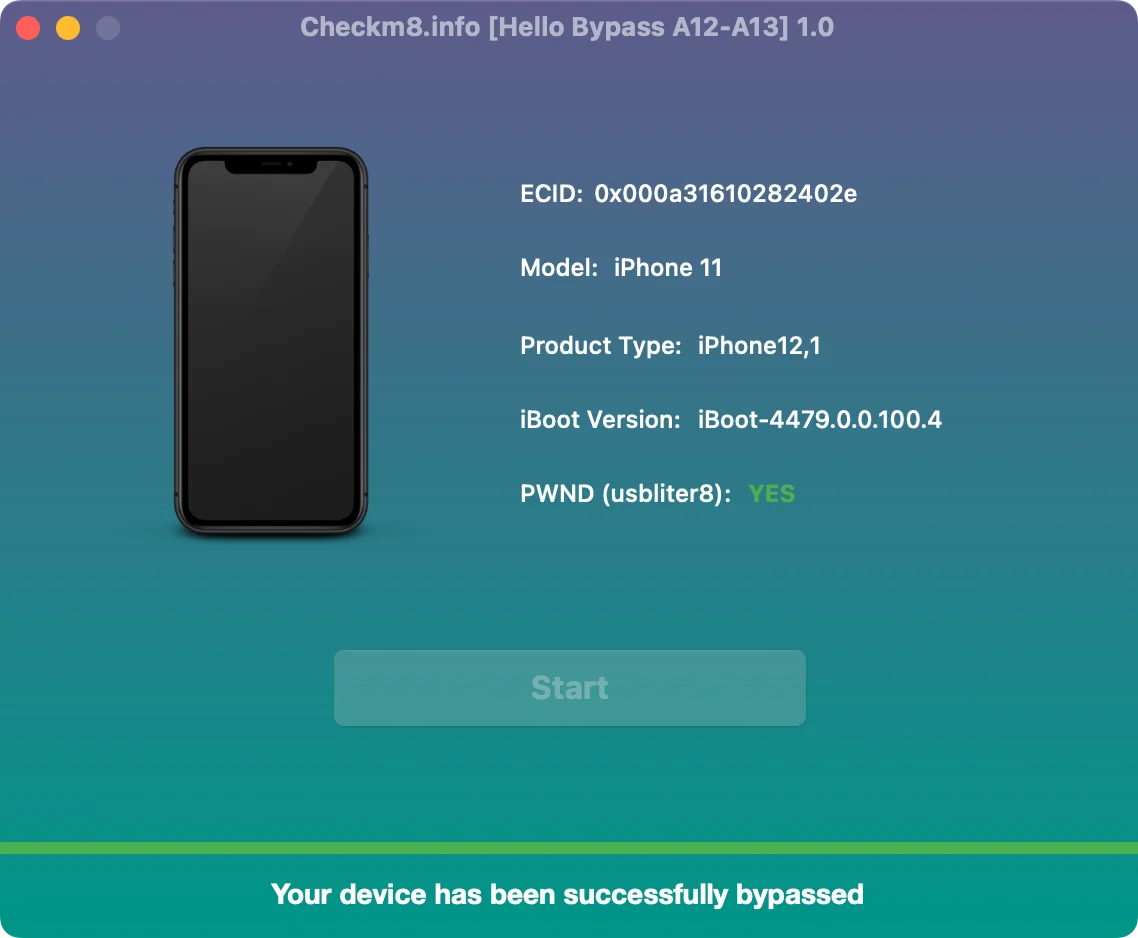
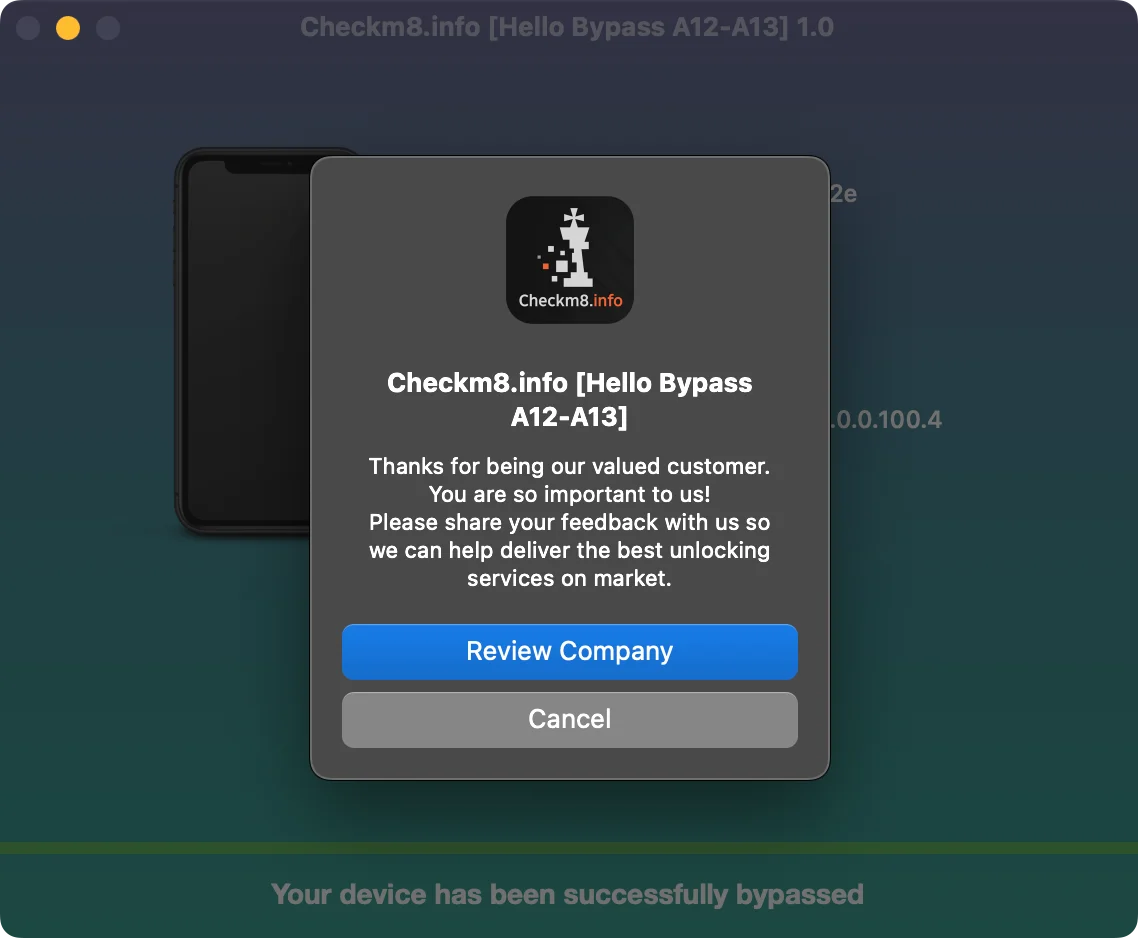
This execution places the hardware safely into a modified "Pwned DFU" state. Once this low-level bridge is active, CheckM8 software communicates directly with the A12/A13 device to perform authorized service operations and complete the Hello Screen bypass in No Signal (Wi-Fi only) mode.
Key Requirements & Workflow
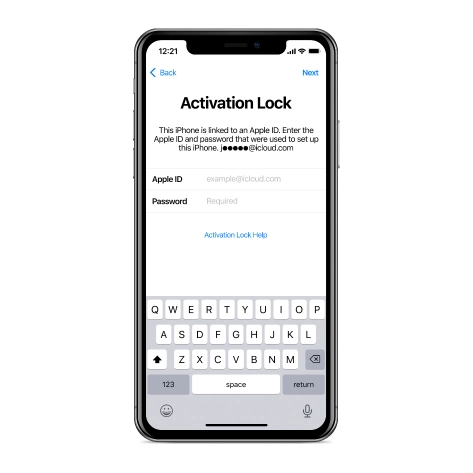
1. Device Status (Hello Lock Screen)
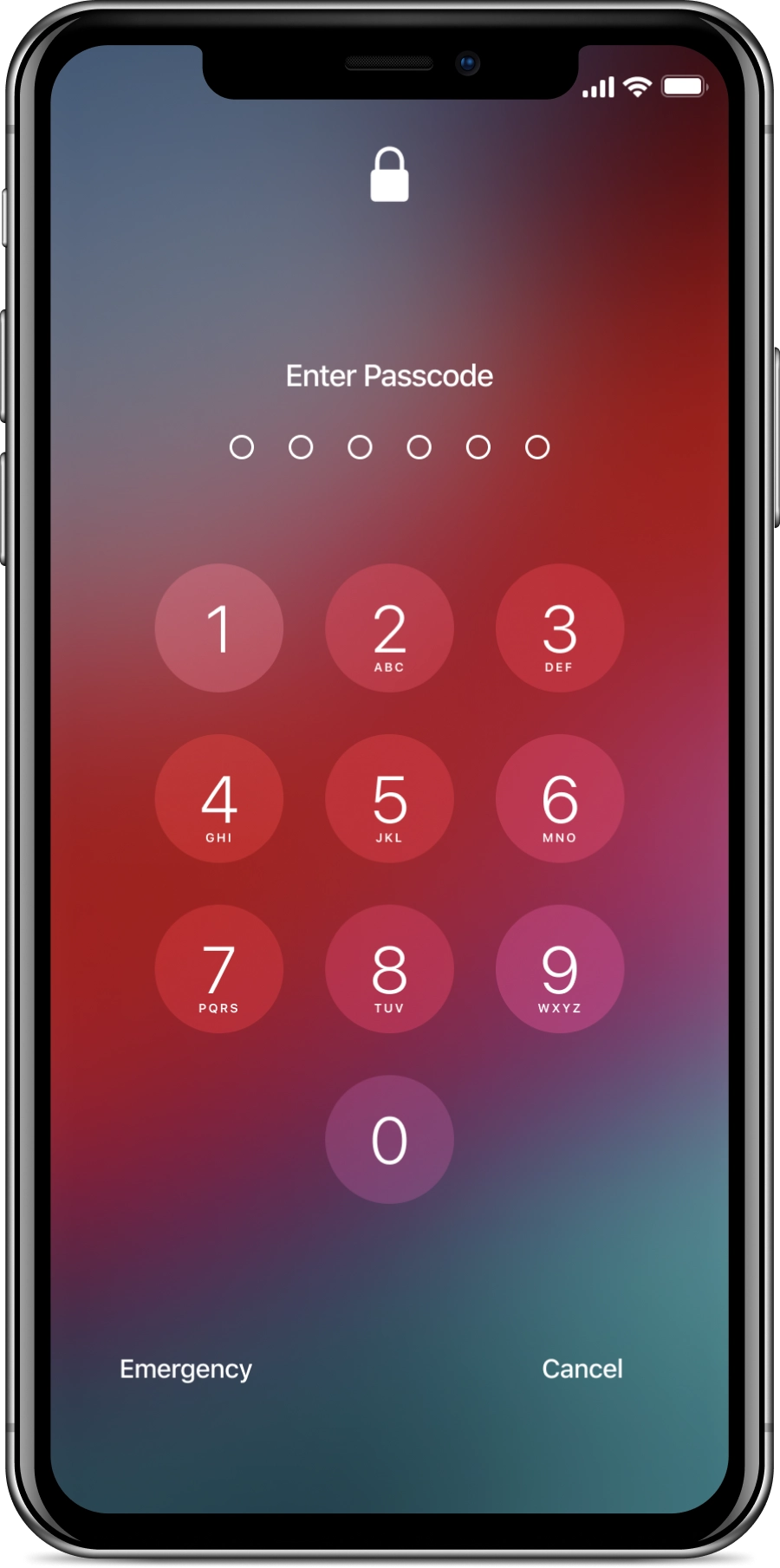
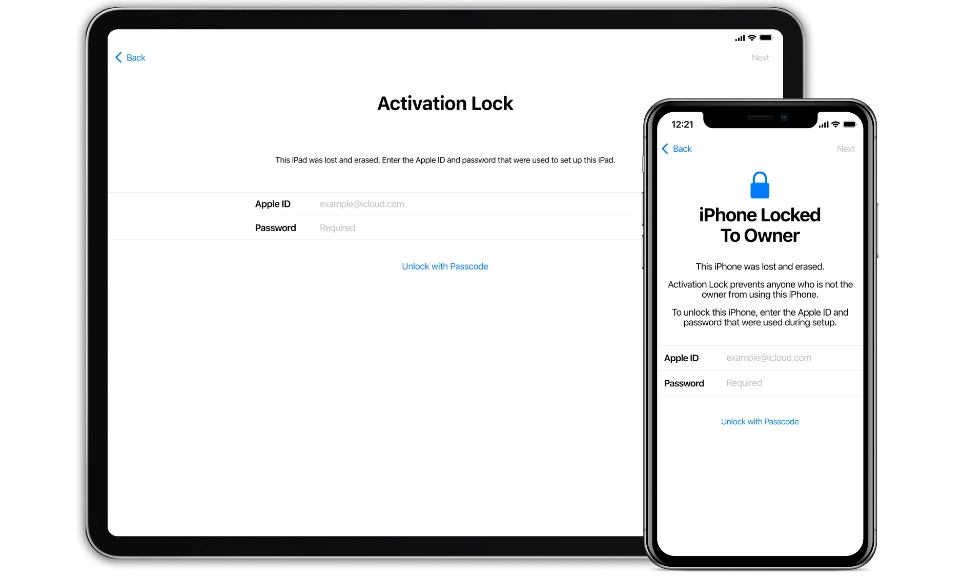
The target iPhone or iPad must be unactivated and currently displaying the initial Hello activation screen.
2. Supported Firmware
Compatible with supported firmware releases spanning iOS 18.x through iOS 26.x (and corresponding iPadOS builds).
3. External Hardware Setup
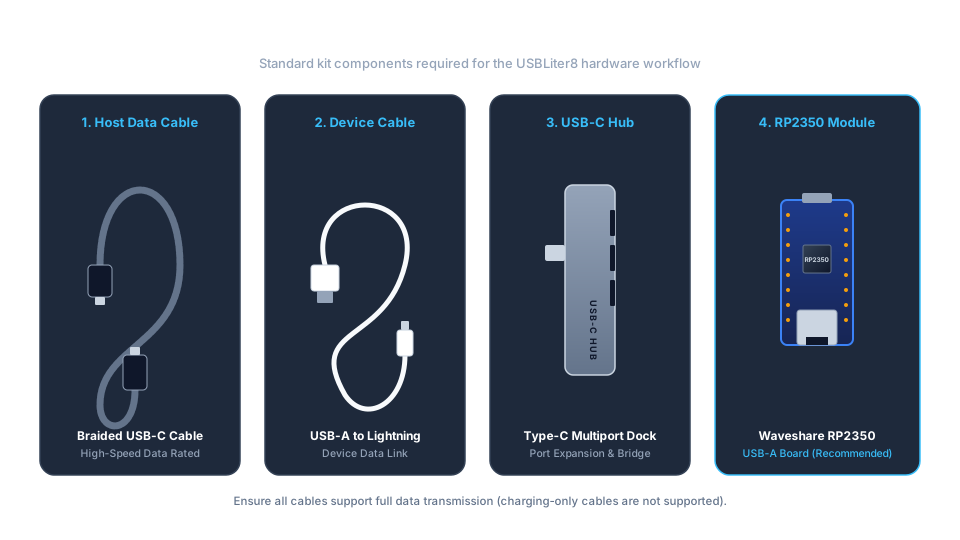
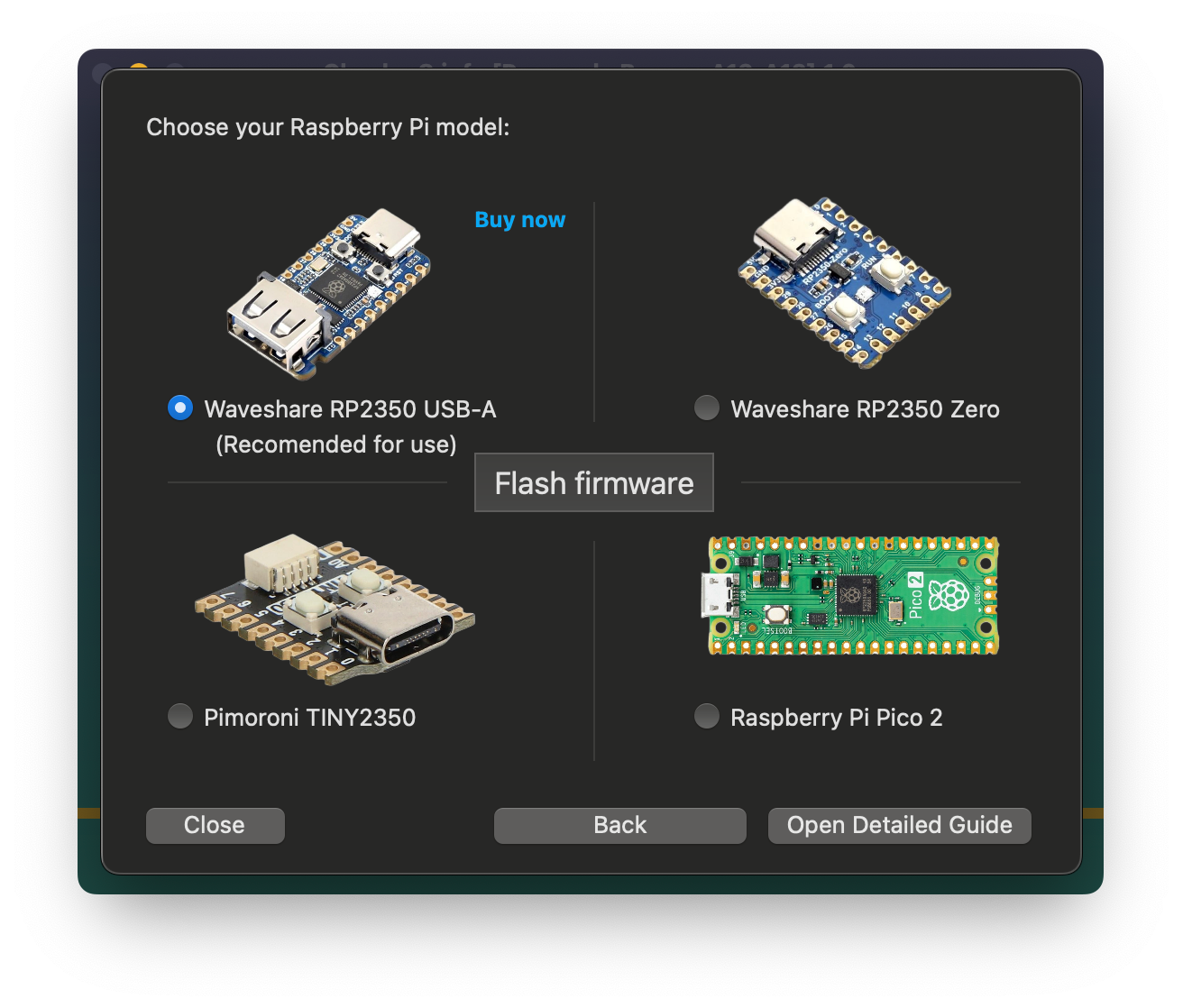
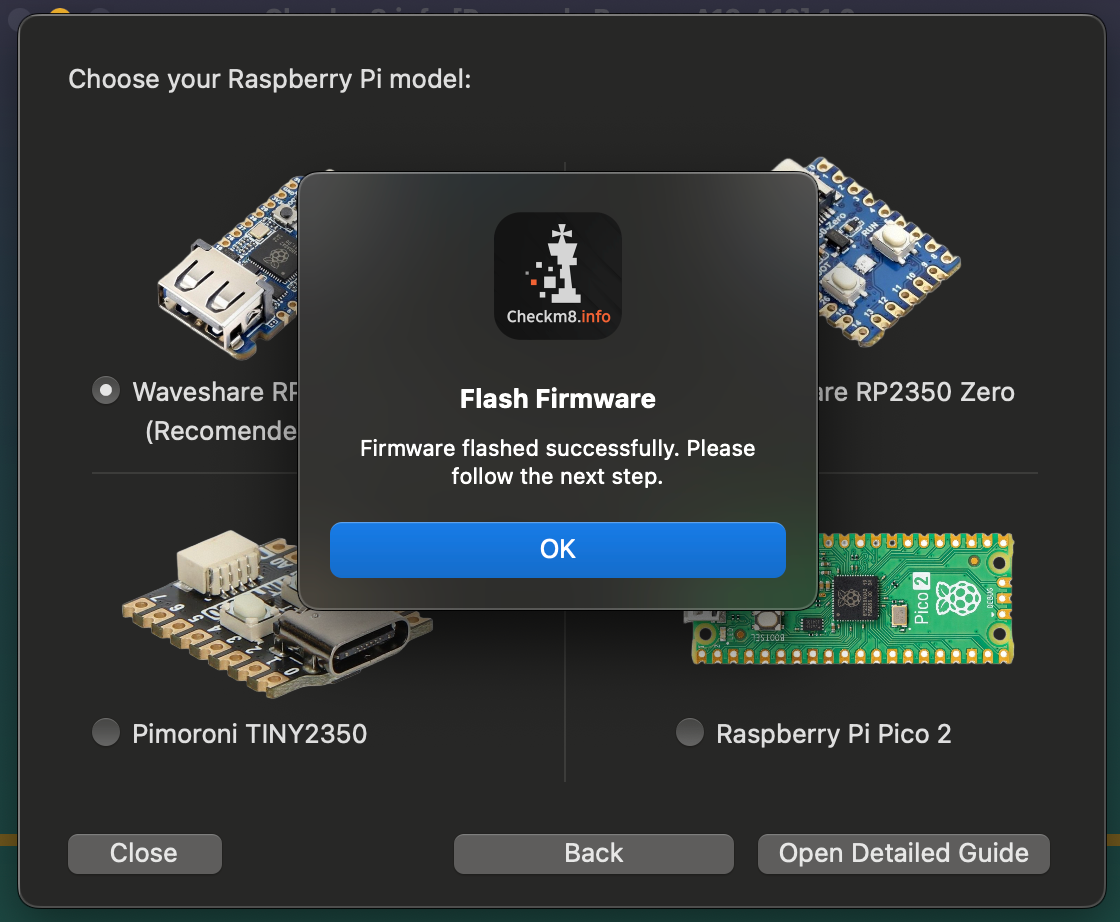
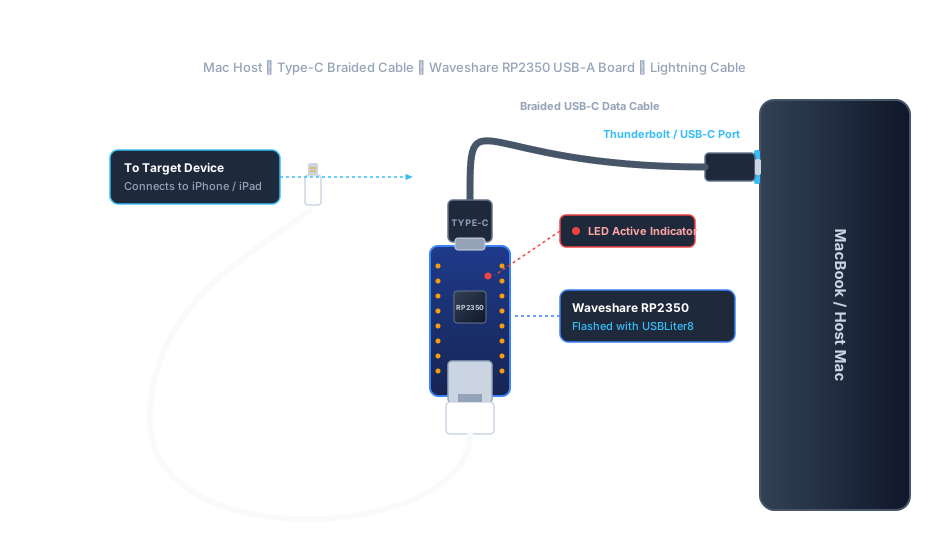
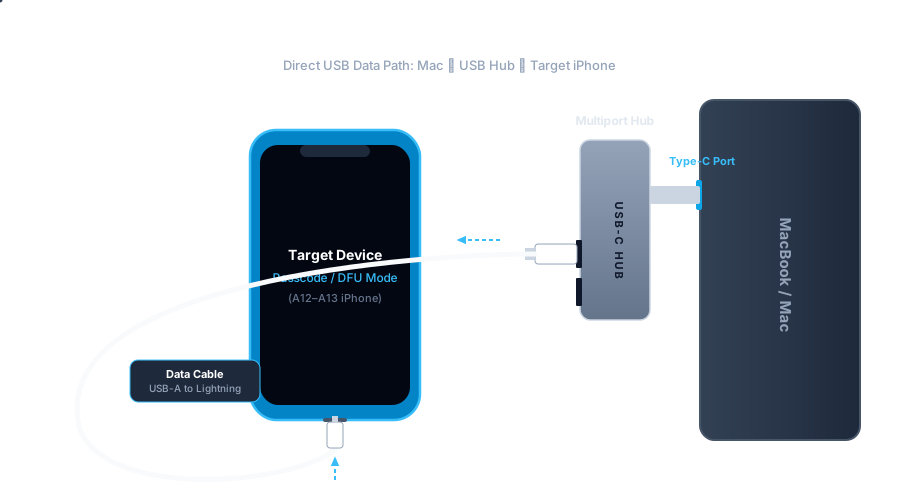
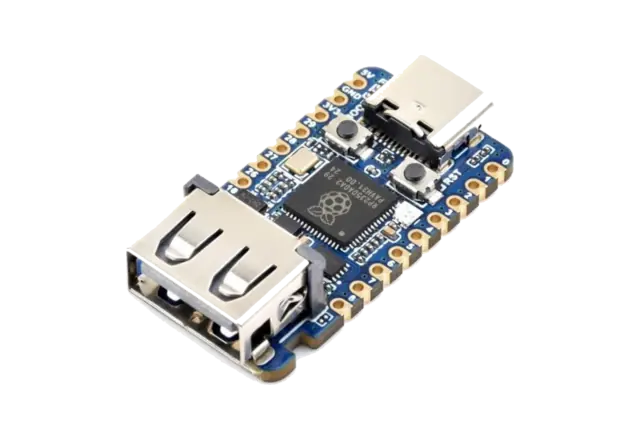
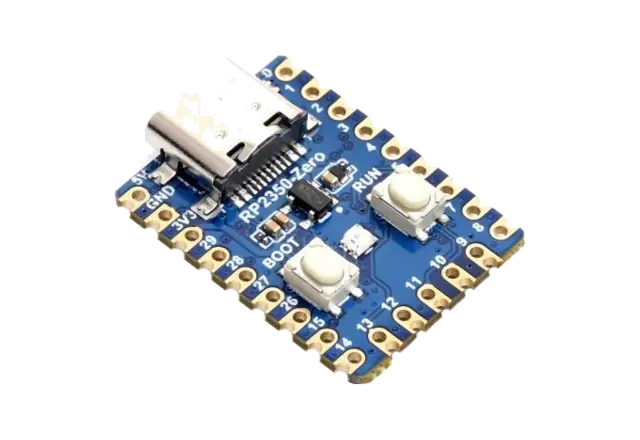
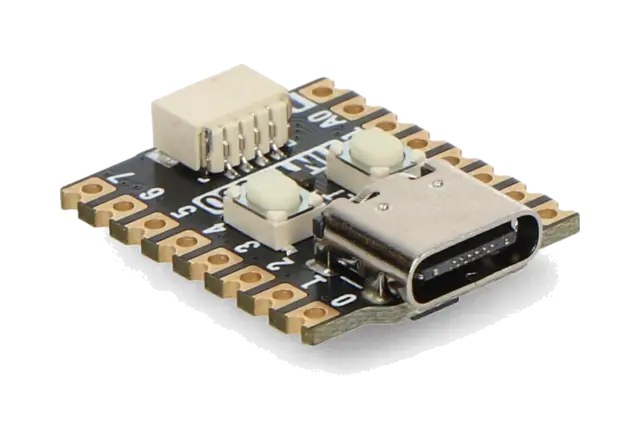
Requires a flashed Raspberry Pi Pico module (RP2350-based, such as Waveshare RP2350 USB-A), reliable USB data cables, and direct physical connection.
4. Pwned DFU Execution & CheckM8 Bypass
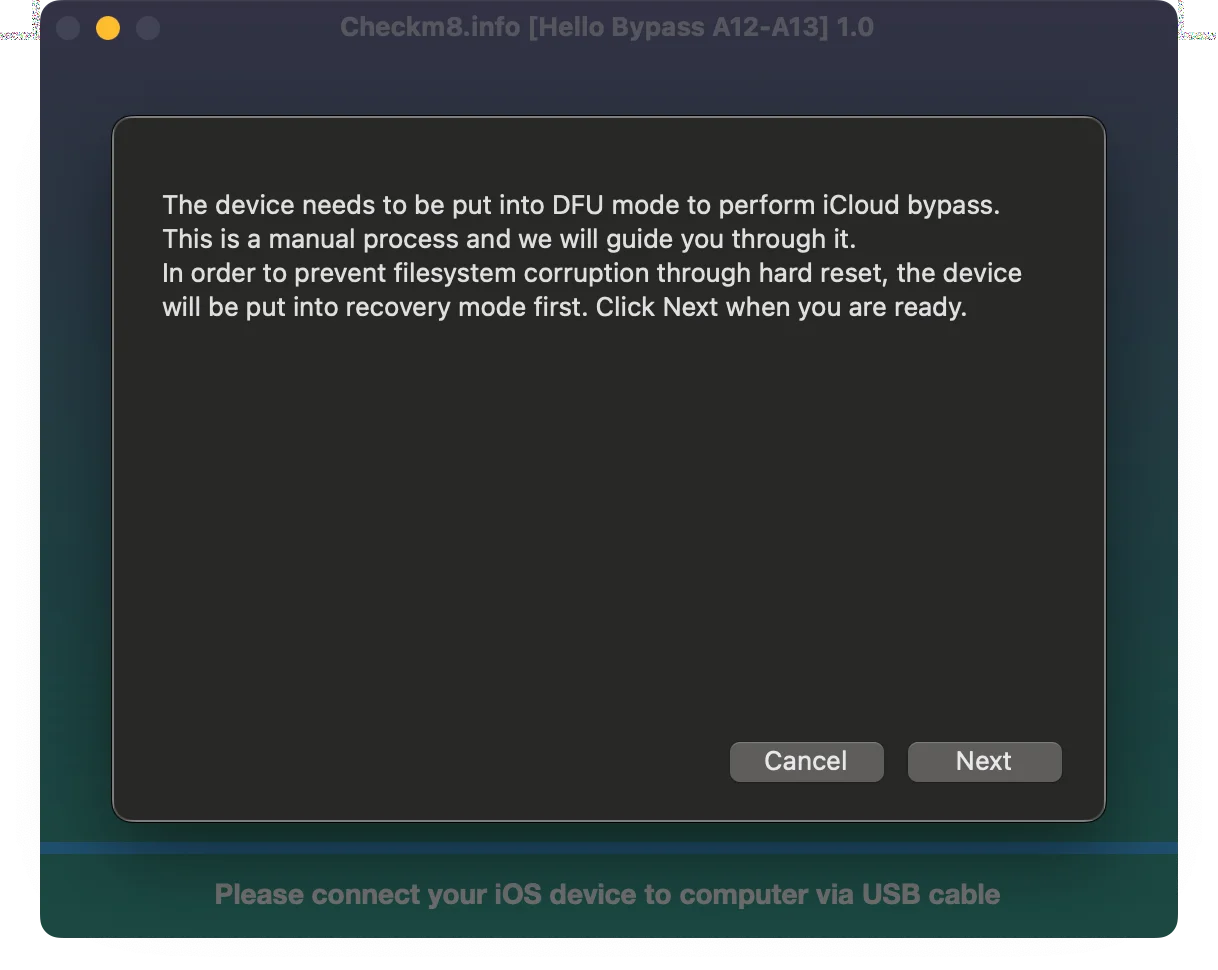
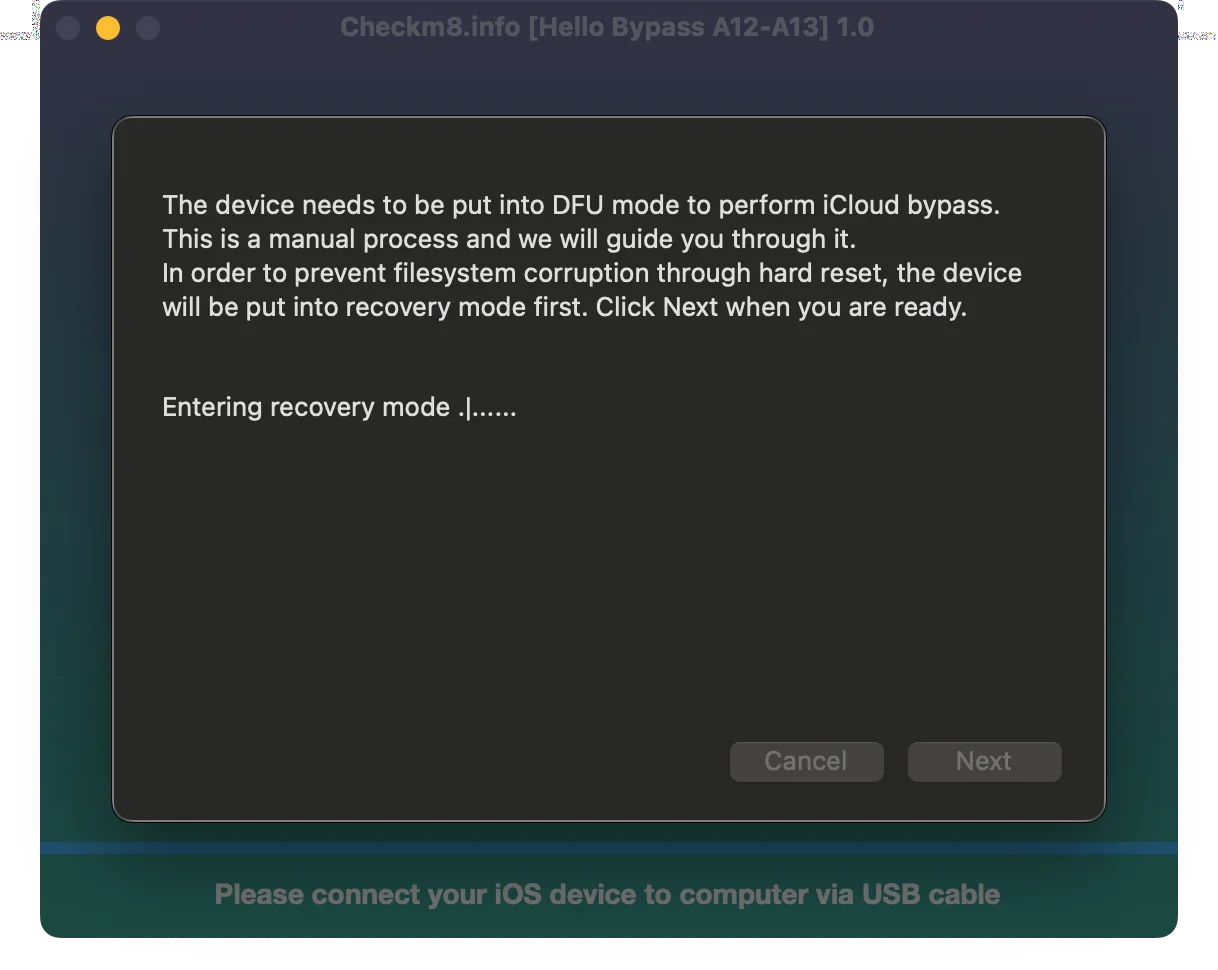
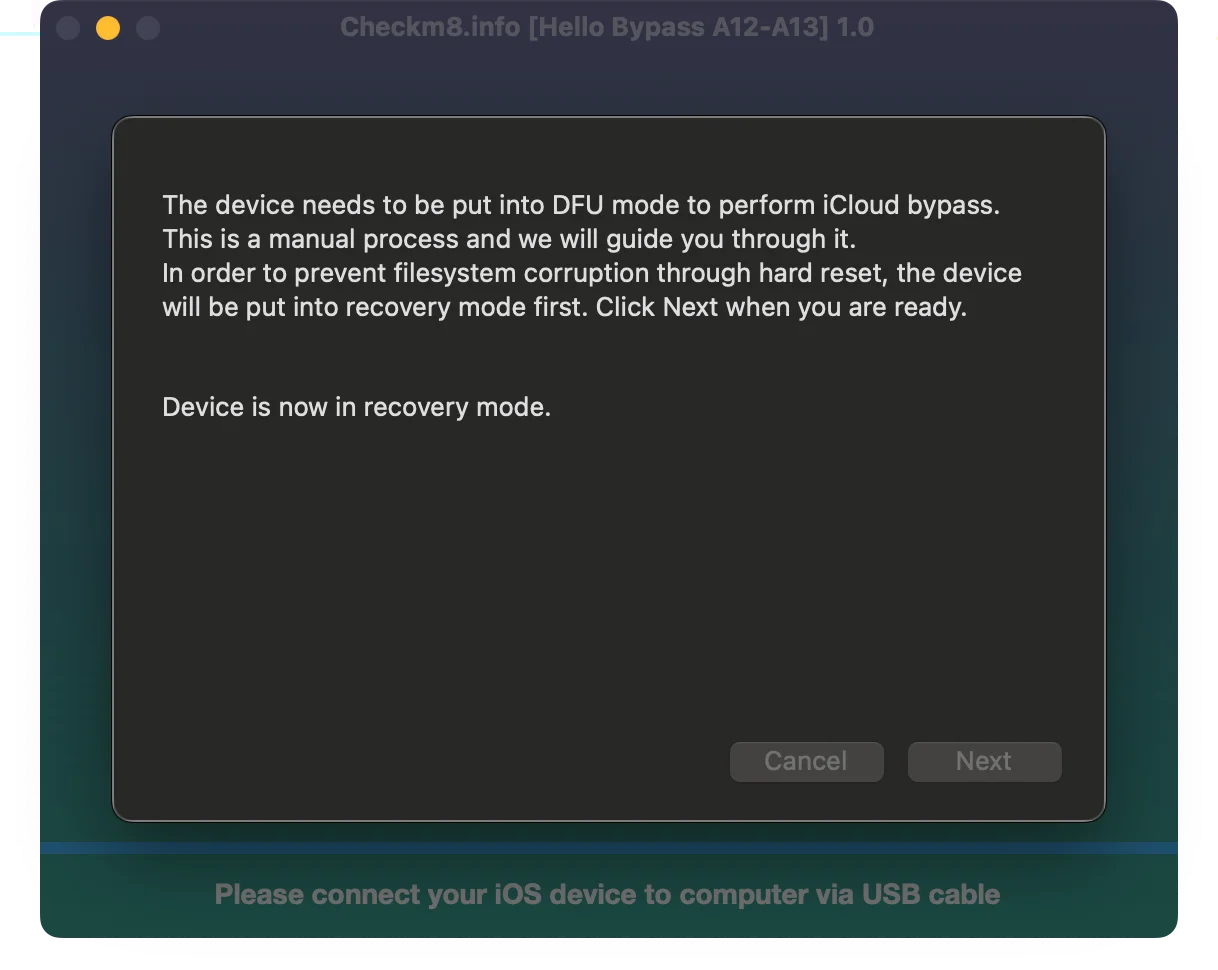
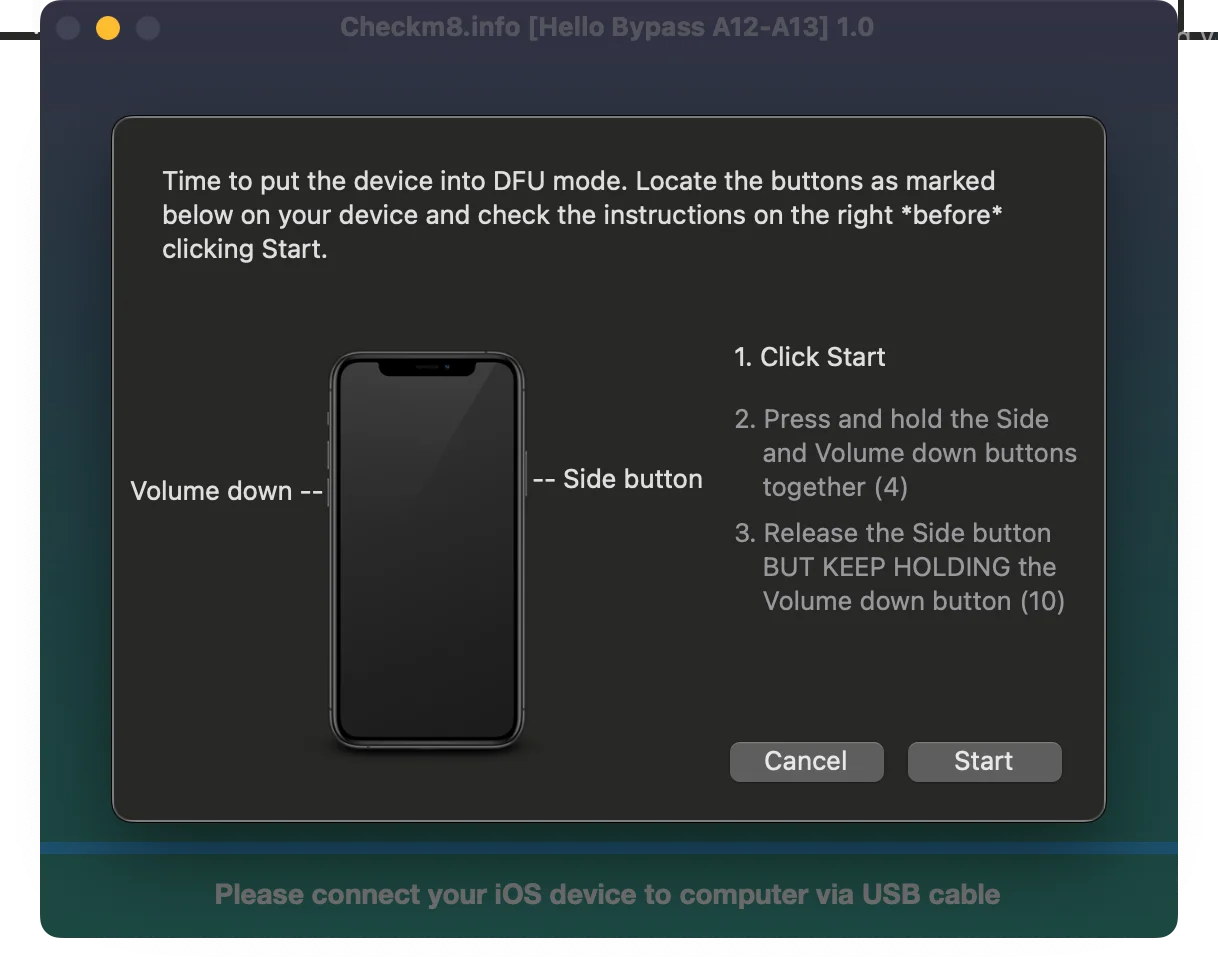
The device is placed into DFU mode for payload delivery via the RP2350 board. Once pwned, CheckM8 software finalizes the bypass to restore full Wi-Fi, App Store, and application functionality.
Legal Notice: This software and service are intended strictly for legal device recovery, diagnostics, and testing on devices that you own or are legally authorized to service. B2B tier pricing, automated API integration, and bulk processing are available.

 Ukrainian / UK
 Arabic / AR
 Spain / ES
 Deutsch / DE
 Italy / IT
 zh / ZH
 French / FR
 Russian / RU




![Remote Management [MDM] Bypass Tool](https://checkm8.info/new/img/service/remote-management-iphone-unlock.webp)